Tradisional Open Korean Gate Pattern: A Designer's Review
A few weeks ago, a longtime client messaged me about creating a small batch of embroidered linen pouches for a wedding favor project. The couple wanted something subtle but culturally grounded, with architectural lines that felt elegant without shouting for attention. I started digging through my pattern library and landed on the Tradisional Open Korean Gate Pattern. I had saved it months ago, thinking it might suit a quiet, heritage-inspired collection someday. That day finally arrived.
I spent a solid afternoon testing how this pattern translated from screen to stitched surface. Here is what I found, what surprised me, and where I think this design genuinely shines for embroidery makers, craft business owners, and anyone building handmade products with a story behind them.
First Impression: The Calm of a Hanok Gate in Repeat
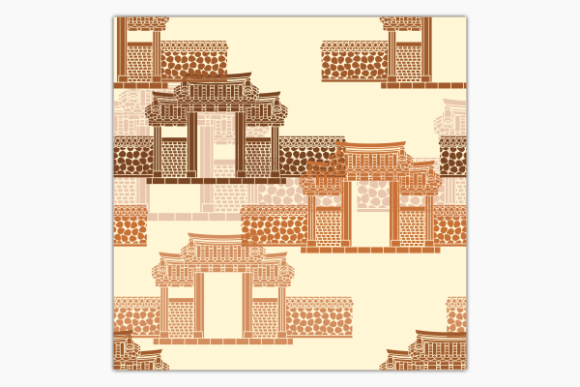
Opening the file, the first thing that struck me was how restful the pattern felt. The hanok gate motif repeats with a rhythm that never feels crowded or mechanical. Each gate opening has a soft architectural presence, framed by the distinctive curved roofline that anyone who has walked through a traditional Korean village would recognize immediately. The pattern does not compete with itself. The spacing between elements leaves room for thread to breathe, which is something I always look for when evaluating a design for real embroidery use.
The visual personality leans toward quiet sophistication. It is not a bold, graphic punch of a pattern. It is more like a whispered invitation. For embroidery projects, this means the design reads as intentional and crafted rather than mass-produced. I could already picture it on natural linen, soft cotton, and even lightweight canvas.
Where This Pattern Belongs in Your Embroidery Project Lineup
After running a few test stitch-outs on different fabric types, I started mentally slotting this pattern into product categories. The Tradisional Open Korean Gate Pattern works beautifully on items where the surface area is flat and uninterrupted. Think pillow covers, tea towels, tote bag panels, and the front of a structured pouch. The seamless repeat means you can scale it to fill a larger embroidery area without awkward breaks, which is a huge advantage for home decor and boutique accessories.
One of my favorite test pieces was a medium-weight cotton tote bag. The pattern stitched out cleanly across the front panel, and the gate motif created a lovely texture that caught light differently depending on the angle. I used a soft taupe thread on natural cotton, and the result felt like something you would find in a quiet museum gift shop. For craft fair sellers and Etsy shop owners, that kind of elevated handmade look is exactly what sets a product apart from generic printed merchandise.
I also tested a scaled-down version on a baby onesie, and the pattern held its detail surprisingly well. The gates became more delicate, almost like a fine lace overlay, without losing the recognizable shape. For anyone specializing in personalized baby gifts or nursery decor, this pattern opens up a niche that feels both timeless and fresh.
Stitching Behavior and Practical Observations
Let me talk about how the pattern actually behaves under the needle. The lines are clean and mostly open, which means the stitch density stays manageable. There are no large solid fill areas that would turn stiff or pucker on lightweight fabric. The roofline curves and gate openings translate well into a combination of running stitch and light satin stitch details, depending on how you digitize the artwork.
I found that the pattern performs best when you keep the thread color palette restrained. Two or three colors at most. A single-color version in a muted tone creates an almost tone-on-tone effect that feels incredibly luxurious. On the other hand, if you want more contrast, a darker thread on a light background makes the architectural details pop without overwhelming the fabric.
One thing I noticed during testing: the small gaps between the gate pillars can close up if you scale the pattern too small for a compact hoop. I recommend keeping the design at a size where the openings remain clearly defined. If you are working with a 4x4 inch hoop, you may want to use only a portion of the repeat rather than shrinking the full pattern down to fit. The detail level is friendly but not invincible. Test it on scrap fabric first, and check how the smallest elements read before committing to a full production run.
Fabric Choices That Make This Pattern Sing
After testing on several surfaces, I can confidently say that the Tradisional Open Korean Gate Pattern loves natural fibers. Cotton, linen, and cotton-linen blends give the stitched lines a soft, organic finish that matches the heritage feel of the design. The pattern also works on medium-weight canvas, though I would avoid anything too heavily textured. A rough burlap or slubby weave will distort the finer gate details and make the roofline curves appear jagged.
Stretchy fabrics require extra care. On a cotton-spandex blend, the pattern pulled slightly during stitching, and I needed a sturdy cut-away stabilizer to keep the gates from warping. If you are planning to use this design on t-shirts or sweatshirts, do not skip the stabilizer test. A no-show mesh stabilizer worked well for lighter knits, but I would not recommend this pattern for highly stretchy activewear unless you are comfortable with some distortion in the repeat.
Dark fabrics present an interesting opportunity. The open gate design looks striking when stitched in a metallic or pearl thread on a deep navy or charcoal background. It creates a night-time lantern effect that feels cinematic and dramatic. Just be aware that dark fabric requires careful thread color selection to maintain the visibility of the thinner gate pillars.
The Real Scenario: A Wedding Favor Pouch That Sold Out
Remember the client I mentioned earlier? She wanted embroidered linen pouches as wedding favors for guests. The couple had a deep appreciation for Korean architecture, and the hanok gate motif resonated with them immediately. I embroidered the pattern across the front of each pouch using a single muted sage thread on ivory linen. The result was understated and elegant. Each pouch looked like a small piece of art rather than a promotional item.
The client was thrilled. What I did not expect was the ripple effect. Several wedding guests later reached out to ask about custom orders for their own events and small businesses. One of them runs a boutique tea shop and wanted the same pattern on a set of aprons for her staff. That is the quiet power of a well-chosen pattern. It attracts the right kind of attention without needing to be loud.
For craft business owners, this is the kind of design asset that can anchor an entire cohesive product line. A tote bag, a pillow cover, a tea towel, and a pouch all featuring the same gate pattern create a visual story that customers recognize and trust. Brand consistency builds faster when your products share a signature motif, and the Tradisional Open Korean Gate Pattern has the versatility to carry that role.
What to Watch Out for Before Selling Finished Products
No design is perfect for every situation, and I want to be honest about the limitations I observed. The pattern is not ideal for very small embroidery areas like cap fronts with a curved surface. The gate lines can distort when forced to follow a strong curve, and the repeat loses its rhythm. If you specialize in hat embroidery, I would test this pattern very carefully on a curved surface before offering it to customers.
Thin fabrics like sheer voile or lightweight silk can also be tricky. The stitch density, even when kept light, may cause puckering on delicate surfaces. A water-soluble topping helps, but the result still depends heavily on your stabilizer choice and hooping technique. I would not recommend this pattern for a beginner embroiderer working with finicky fabrics.
Another practical note: items that need frequent washing, like kitchen towels used daily, will show wear on the finer gate details over time. The thinner stitch lines are more vulnerable to abrasion in the laundry. If you are selling products for heavy use, consider reinforcing the design with a slightly denser stitch or offering it on decorative items that are treated more gently.
Commercial Use, Licensing, and Your Small Business
Before you stitch this pattern onto products for sale, take a moment to verify the licensing terms. The product description mentions that the Tradisional Open Korean Gate Pattern is an editable SVG vector suitable for fabrics, invitations, merchandise, and cards. That suggests commercial use is intended, but I always recommend confirming the specific license type before selling finished items or including the design in a digital product bundle.
As a designer who has learned this lesson the hard way, I now keep a folder of license confirmations for every pattern I use commercially. If a client asks about the origin of a design, I can answer confidently. This small habit protects your craft business and builds trust with wholesale buyers who may ask about your design sourcing.
For Etsy sellers and small shop owners, the pattern also works well as a printable mockup element. You can use it in digital previews to show customers what a custom embroidered product will look like before stitching begins. The clean vector lines make for crisp mockups that help close sales.
Thread Color Experiments Worth Trying
During my testing, I played with several thread combinations that I want to share because they genuinely changed the mood of the pattern. A warm terracotta thread on cream fabric gave the gates a sun-baked, earthen feel that reminded me of old clay roof tiles. A soft charcoal thread on pale gray linen created a misty morning atmosphere. A deep indigo on white cotton felt crisp and modern while still honoring the traditional roots of the design.
If you are making products for a specific season, the pattern adapts well. For autumn craft fairs, think rust, olive, and gold tones. For spring and summer markets, lighter pastels keep the pattern feeling airy and fresh. The architectural lines stay grounded no matter what color you choose, which means the design never loses its identity even in playful palettes.
Final Thoughts from the Stitching Table
The Tradisional Open Korean Gate Pattern is not a grab-and-go design for every project. It rewards thoughtfulness. It asks you to consider your fabric, your thread, your scale, and your product context. When you get those elements right, the result is a stitched piece that feels deeply personal and quietly refined. That is a rare quality in a world of overly busy patterns.
For embroidery designers, handmade shop owners, and creative entrepreneurs who want their products to carry a sense of place and heritage, this pattern offers a beautiful starting point. It stitches cleanly, scales with care, and brings a calm architectural grace to whatever surface it touches. I will be keeping it in my rotation for boutique home goods, personalized gifts, and those special client projects where the story behind the design matters as much as the stitch work itself.
Test it on your own fabric, with your own thread choices, and see how it speaks to your product line. The hanok gate has stood for centuries. On a well-made embroidered piece, it feels right at home.