Side View Food Truck Dark Pattern: A Designer's Take
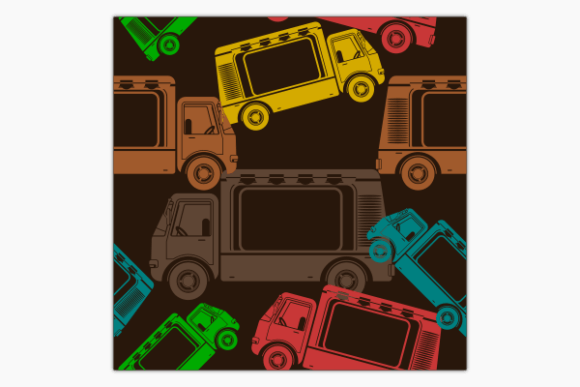
When I first opened the Side View Food Truck Dark Pattern, I immediately felt it had a certain urban charm that is genuinely hard to find in ready-made design assets. The flat style illustration sits against a dark background, and the repeating food truck motif creates a rhythmic, almost nostalgic mood. It reminds me of weekend markets, late-night taco runs, and the curated vibe of a modern craft fair booth. The color variations add personality without overwhelming the scene, and the seamless layout means the pattern can extend effortlessly across larger surfaces. From an embroidery perspective, I started mentally placing this on a canvas tote, a kitchen apron, and even a casual sweatshirt. The design feels alive without being chaotic, which is exactly what you want when you are evaluating a pattern for real stitching, not just admiring a flat vector on a screen.
First Look At The Side View Food Truck Dark Pattern
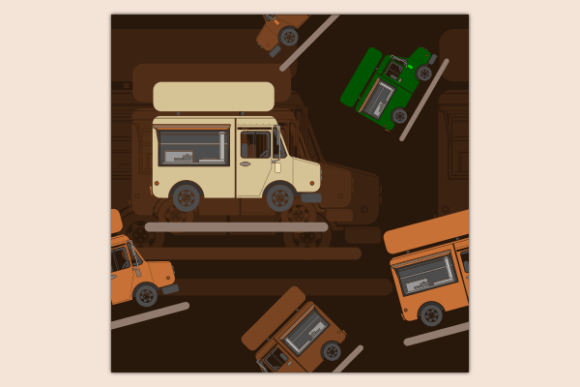
What strikes me most about the Side View Food Truck Dark Pattern is how the simplified side view silhouette reads instantly. The food truck shape is clean, recognizable, and uncluttered. There is no unnecessary detail that would turn into a muddy mess under thread, which tells me the original illustrator understood restraint. The dark background acts as a strong contrast canvas, making the truck illustrations pop in a way that would translate beautifully into satin stitch blocks or well-placed fill stitch areas. The flat style keeps the design approachable, and the various color options give you room to tailor the mood, whether you want a retro vibe with mustard and teal tones or something more monochromatic and sleek for a boutique brand.
How I Would Use This In A Real Embroidery Project
Let me walk you through a scenario I encounter often. A small business owner reaches out wanting a custom embroidered apron for her pop-up coffee cart. She wants something that feels handmade, memorable, and aligned with street food culture. The Side View Food Truck Dark Pattern becomes my starting point. I would digitize a section of the seamless pattern, paying close attention to the truck silhouette and the spacing between motifs. The dark background of the original vector would actually help me here because I can choose to stitch it on a natural linen or charcoal canvas apron and let the thread colors do the heavy lifting. The contrast between a warm cream thread for the truck body and a deep charcoal fabric would mirror the dark background effect without needing to stitch an entire background fill, which saves time and reduces stiffness on the finished product.
For a tote bag project, the seamless nature of this pattern truly shines. I can see this working as an all-over print converted into a repeating embroidery motif across the front panel of a sturdy canvas tote. The rhythm of the side view trucks marching across the fabric creates a designer look that customers in a boutique setting instantly recognize as intentional and curated, not something grabbed off a generic rack. When I test such designs, I always check how the pattern behaves at the edges of the hoop. Even a partial food truck peeking from the corner of a tote bag adds a dynamic, professional quality that buyers appreciate.
Projects Where This Pattern Really Belongs
Through years of testing and stitching, I have learned which products naturally elevate a pattern like this. The Side View Food Truck Dark Pattern fits beautifully into several categories that embroidery designers and craft business owners should consider. Here is where I would confidently place it:
- Custom aprons for food vendors, home cooks, and market stall owners
- Canvas tote bags for grocery runs, craft markets, and everyday carry
- Kitchen towels with a single row of the pattern stitched near the hem
- Pillow covers for a quirky cafe corner or a food-themed nursery
- Sweatshirt embroidery as a chest or sleeve accent for casual wear
- Embroidered patches featuring a single isolated food truck from the pattern
- Tea towels as a thoughtful, usable holiday gift
- Baby bibs or small blankets with a playful food theme
What ties these together is a surface that can handle a repeating motif without distortion. The flat style of the trucks means you are not fighting tiny unnecessary details. The shapes are bold enough to remain clear even when scaled down moderately, which is a huge advantage for items like baby clothes or small accessories.
Where You Should Pause Before Stitching
No design is a universal fit, and the Side View Food Truck Dark Pattern deserves honest evaluation before you commit to a project. I would be cautious when using this on highly textured fabrics like thick terry cloth or heavily napped fleece. The clean lines of the flat style truck could lose definition if the fabric pile swallows the stitch edges. On stretchy fabrics, a repeating pattern can shift during hooping if not stabilized properly, and the dark background effect you are trying to recreate might become uneven. Small hoop sizes also pose a challenge. A pattern designed to flow seamlessly needs enough visible repetition to make sense visually. If your hoop only captures one and a half trucks, the result can feel accidental rather than designed. Test the scale first, always.
Dark fabric choices need careful thread selection. The original vector uses a dark background, but in embroidery, you are building color on top of the fabric itself. If you stitch on black cotton, a navy truck might disappear. I always recommend testing thread colors on a scrap of the actual fabric under natural light. That small step saves you from a finished product that looks muted when it should be vibrant.
Stitch Quality And Visual Personality
From a technical standpoint, the side view silhouette of the food truck lends itself well to satin stitch borders with fill stitch interiors. The wheels, the service window, and the overall body shape have clear boundaries that a digitizer can trace with confidence. I would assign a medium stitch density to the truck body to keep the fabric from puckering, especially on garments that need to drape naturally. The pattern's repeat structure means you can isolate a single motif and use it as a standalone design for a cap or a patch, which adds versatility that many pattern files simply do not offer.
The dark background concept in the Side View Food Truck Dark Pattern also gives you a creative license. You can stitch the trucks in bright thread on a dark fabric to mimic the original intent, or you can flip the concept entirely and use dark thread on a light background. Neither approach is wrong, but the mood changes significantly. The first feels edgy and modern, the second feels airy and playful. I keep both options in mind depending on the client's brand identity.
What Buyers And Customers Notice
When I sell handmade products at markets or through Etsy listings, I watch how people react to designs. Patterns that tell a subtle story without screaming for attention tend to hold gaze longer. The Side View Food Truck Dark Pattern has that quality. It invites a second look, and the food truck theme triggers positive associations with travel, comfort food, and community. Customers browsing a craft fair booth are drawn to items that feel personal and culturally relevant. A tea towel with this pattern stitched across the bottom edge feels like a thoughtful hostess gift. A sweatshirt with an embroidered food truck patch on the wrist feels like a signature touch from a maker who cares about detail.
Brand consistency also benefits from a design like this. If you run a small shop centered on food culture, kitchen goods, or urban lifestyle products, the repeating food truck motif becomes a visual thread that ties your product line together. When a customer sees the same recognizable pattern on a tote bag, an apron, and a pillow cover in your shop, they begin to associate that style with your brand. That recognition builds trust and repeat purchases.
Practical Embroidery Designer Notes
Before you digitize and stitch the Side View Food Truck Dark Pattern, I want to share a few field-tested reminders that have saved me from costly mistakes more times than I can count. First, test the design on scrap fabric that matches your final product weight and texture. A smooth cotton test will not prepare you for how the same stitch file behaves on a ribbed sweatshirt sleeve. Second, review thread color contrast. The dark background effect of the original vector works because of the deliberate contrast between the truck colors and the deep backdrop. You need to replicate that contrast in your thread choices, or the design loses its punch. Third, check the stitch density. A pattern with repeating elements can quickly become dense if the spacing is tight. Too much density on a lightweight fabric leads to stiffness and potential puckering. I always run a small sample section first.
Confirm your hoop size accommodates enough of the pattern repeat to make visual sense. If you are working with a smaller hoop, consider isolating a single food truck and treating it as a focal point rather than forcing a truncated pattern. Inspect small details like the wheels and service window. Simplify them if needed during digitizing, because thread behaves differently than vector lines. Test the design in a black and white mockup to see if the tonal values hold up without color. This step reveals whether your design relies too heavily on color differences alone to read clearly.
Use proper stabilizer for the fabric type. A repeating pattern on a woven tote bag handles differently than the same design on a knit baby onesie. Cutaway stabilizer on knits, tear-away on sturdy wovens, and always a topper on plush fabrics. These are not extra steps; they are the foundation of a professional finished product. Finally, check the licensing terms attached to the editable SVG file. Since the product description mentions it can be used for fabrics and backgrounds, you likely have room to create physical products, but always confirm that commercial embroidery use and sale of finished items are allowed before you list anything in your shop.
Why This Pattern Earns A Spot In My Design Library
I have reviewed hundreds of pattern files over the years, and many fall into the trap of being visually stunning on screen but completely impractical under the needle. The Side View Food Truck Dark Pattern avoids that pitfall. Its flat style, clean silhouettes, and thoughtful color variations make it a genuinely useful asset for embroidery designers who want to create products that feel both modern and warm. The food truck theme is specific enough to be memorable yet broad enough to fit a wide range of handmade goods. I can see this working for a nursery decor project just as easily as for a streetwear brand collaboration.
The editable SVG format gives you control over scaling and color adjustments before digitizing, which is a significant advantage when you are adapting a graphic intended for print into a stitch file. You can pull individual trucks, adjust spacing, or modify the repeat to fit your hoop dimensions. That flexibility means the Side View Food Truck Dark Pattern is not a one-use asset but a resource you can return to for different projects throughout the year.
When I think about giftability and buyer engagement, this pattern checks the right boxes. It feels personal without being niche, it looks handmade without looking amateur, and it carries a subtle storytelling element that customers notice and appreciate. For Etsy sellers, small shop owners, and craft entrepreneurs, that combination is hard to beat. The Patterns category often gets overlooked by embroidery designers who focus solely on standalone motifs, but a well-chosen repeating pattern can transform an ordinary product into a signature piece. This Graphics asset is one of those rare finds that bridges the gap between digital design and tangible, stitch-ready artwork.