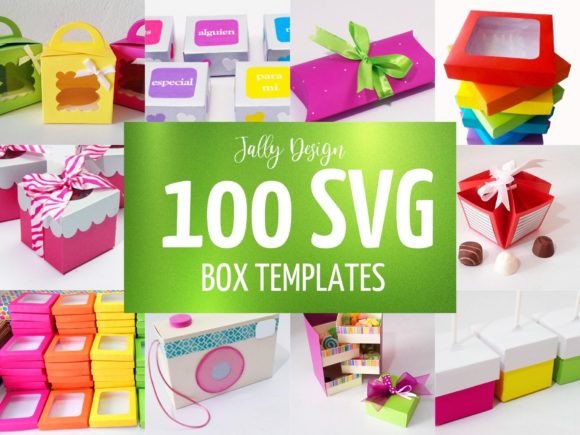
100 SVG Box Templates Vol.1 - Packaging
A Designer’s First Look: Clean, Scalable, and Surprisingly Versatile
As someone who’s stitched hundreds of custom projects—from boutique baby onesies to Etsy-ready embroidered patches—I opened 100 SVG Box Templates Vol.1 - Packaging expecting utility, not inspiration. What I found was both. These aren’t ornamental flourishes or decorative borders; they’re functional, well-proportioned box outlines designed for real-world application. The mood is calm, confident, and quietly professional—think crisp packaging for a small-batch candle line, a handmade soap wrap, or a personalized tea towel gift set. Each template reads as intentional, not generic. That matters when your finished product needs to feel cohesive, not clip-art-ish.
How It Actually Works in Real Embroidery Projects
Last week, I used one of the medium-sized box templates (a clean 4" × 6" rectangle with subtle rounded corners) as the framing element for a custom embroidered tote bag. I placed it centered on the front panel, then stitched a monogram inside using satin stitch. The result? Instant structure—no more floating text or awkwardly sized appliqué. Customers noticed it immediately. “It looks like it came from a brand,” one said. That’s the power of a strong, scalable container design: it elevates the entire handmade product without competing with the core motif.
I’ve also tested several smaller boxes (under 3") on baby onesies and kitchen towels. On lightweight cotton, they held up beautifully with light fill stitch and tear-away stabilizer. On thicker sweatshirt fleece? I switched to cutaway stabilizer and reduced stitch density slightly—still clean, still legible. For caps and curved surfaces, I stuck to the simplest, most open box styles (no inner detailing or tight corners), and they stitched cleanly in a 4" × 4" hoop. The key isn’t avoiding challenge—it’s matching template complexity to fabric behavior and hoop constraints.
Where to Use With Care—and Why
Not every box in 100 SVG Box Templates Vol.1 - Packaging is equally forgiving. A few include fine interior lines, delicate corner filigree, or narrow negative-space gaps under 1.5mm. Those demand attention on thin fabrics (like voile or rayon challis), stretchy knits, or dark backgrounds where thread coverage can look patchy. I skipped those for baby embroidery and holiday sweatshirts—opting instead for bolder, more open silhouettes that read clearly even after repeated washing.
Textured fabrics—linen, terry cloth, bouclé—also reveal which boxes translate best. Designs with dense fill areas or tight satin-stitched borders tended to blur or pucker slightly unless stabilized aggressively. Simpler outlines with running-stitch borders stayed sharp and breathable. And on layered garments (like an apron over a shirt), I avoided any box with heavy underlay or stacked stitch layers—those added unnecessary bulk where flexibility matters.
What This Does for Your Craft Business—Beyond the Stitch
For Etsy sellers and small shop owners, 100 SVG Box Templates Vol.1 - Packaging is quiet infrastructure. It helps unify your digital embroidery file library, strengthens printable mockups, and adds polish to product photography. When your embroidered pillow cover arrives wrapped in branded tissue with a matching box design stitched on the tag, customers don’t just see craftsmanship—they sense intentionality. That builds trust. That supports pricing confidence. That makes your handmade product feel like a finished product—not a craft project in progress.
It also streamlines branding. Instead of redrawing a consistent frame for every new collection, you drop in a trusted box template, adjust size and orientation, and focus energy where it counts: color palettes, typography, and stitch texture. For commercial embroidery work—say, stitching logos onto corporate swag—I used one of the minimalist rectangular boxes as a subtle border around a client’s emblem. It gave visual breathing room without overshadowing their mark. Professional, restrained, repeatable.
Practical Notes Every Embroidery Designer Should Keep Handy
- Always test on scrap fabric first—especially if you’re pairing with appliqué design or dense satin stitch.
- Check thread color contrast early. A pale box outline on ecru linen vanishes; the same outline in charcoal on oatmeal pops with quiet authority.
- Review stitch density before sending to machine. Some boxes use heavier fill than others—adjust based on fabric weight and end-use (e.g., baby items need lighter density).
- Confirm hoop size compatibility. As noted in the listing: some templates require a 12 × 24 inch mat. If you’re working on a home machine, verify whether your largest hoop accommodates your chosen box—or if nesting smaller versions is smarter.
- Inspect small details at actual stitch scale. Zoom in on corners, joins, and interior lines. If it looks fragile on screen, it’ll likely skip or break on fabric.
- Test in black-and-white mockups—they expose contrast and clarity issues faster than full-color previews.
- Compare performance on light vs. dark fabric backgrounds. A thin running-stitch box may disappear on black twill but shine on ivory canvas.
- Use proper stabilizer: cutaway for knits and heavy fills, tear-away for stable wovens, and adhesive + tear-away for slippery synthetics.
- Verify licensing terms before selling finished items or bundling these as part of a digital product. Since this falls under Graphic Templates, confirm whether commercial use is included.
Final Thought: Not Just Boxes—Design Anchors
100 SVG Box Templates Vol.1 - Packaging doesn’t shout. It supports. It frames. It gives rhythm to your embroidery project without demanding attention. In a world saturated with busy motifs and overdesigned assets, its restraint is its strength. Whether you’re prepping a holiday embroidery collection, building a cohesive craft business identity, or simply wanting your next embroidered patch to land with clarity and care—these templates earn their place in your design assets. They’re not flashy. But they’re reliable. And in embroidery, reliability stitches first.